Hardback vs Paperback vs E-book: Which Format Fits Your Reading Life?
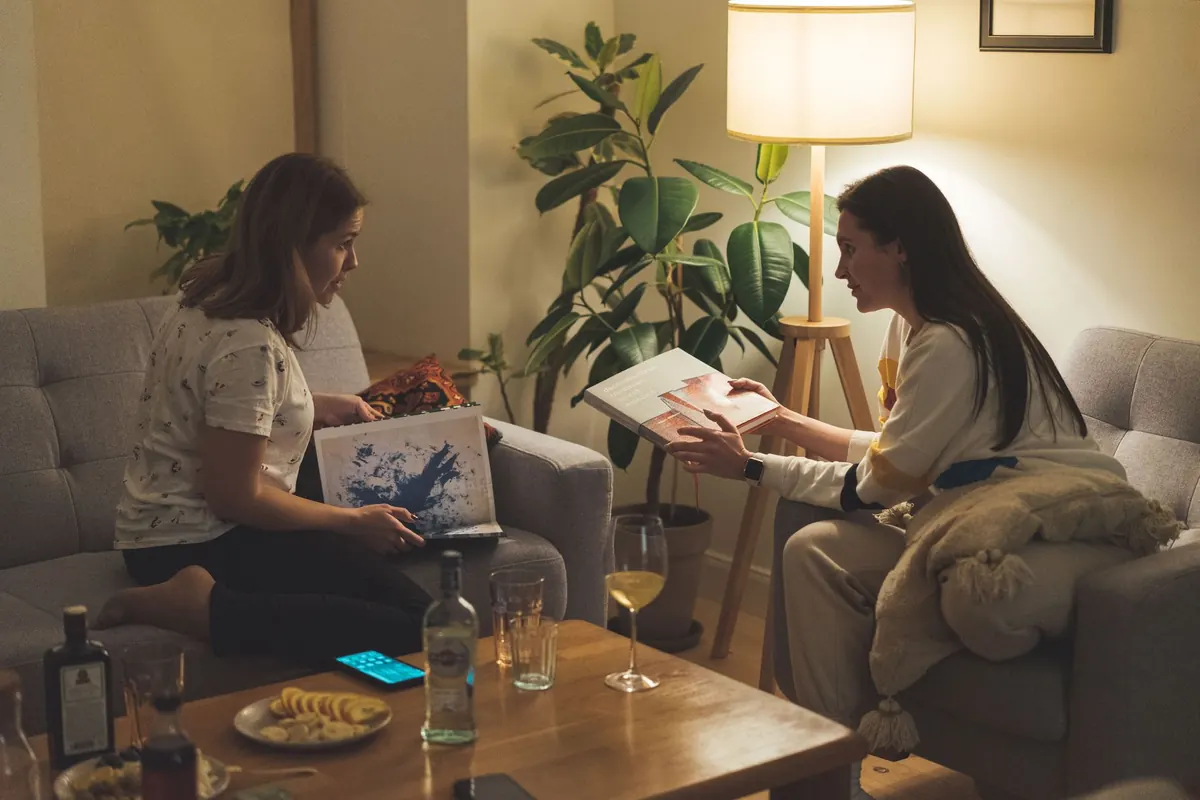
A paperback folded into a coat pocket. A hardback propped open on the kitchen table, held down by a teaspoon. A phone glowing at midnight because the next chapter is one tap away. Most readers already use more than one format without giving it much thought.
There is no single best format, only the one that fits the reading you are actually doing: the time you have, the places you read, and what you are willing to spend. Get that match right and you finish more books with less friction. Get it wrong and you accumulate handsome hardbacks you never open.
Start With How You Read, Not What You Buy
Before comparing prices or shelf space, answer a few honest questions about your own habits. The answers change more than most readers expect; the format that worked on a summer holiday is rarely the one that works on a January commute.
- Where do you read? On a sofa with both hands free, or standing on a packed train with one hand on a rail?
- How long are your sessions? Fifteen minutes in a queue, or two hours on a Sunday afternoon?
- Do you write in your books? Marginalia, highlighting and folded corners all push you towards paper.
- Do you reread or lend? A hardback you lend to a friend may never come home.
- How are your eyes and your wrists? Weight and print size matter more with every year that passes.
Note down two or three answers. They will settle most of the argument before you look at a single shop.
Hardbacks: Built to Last, Not to Travel
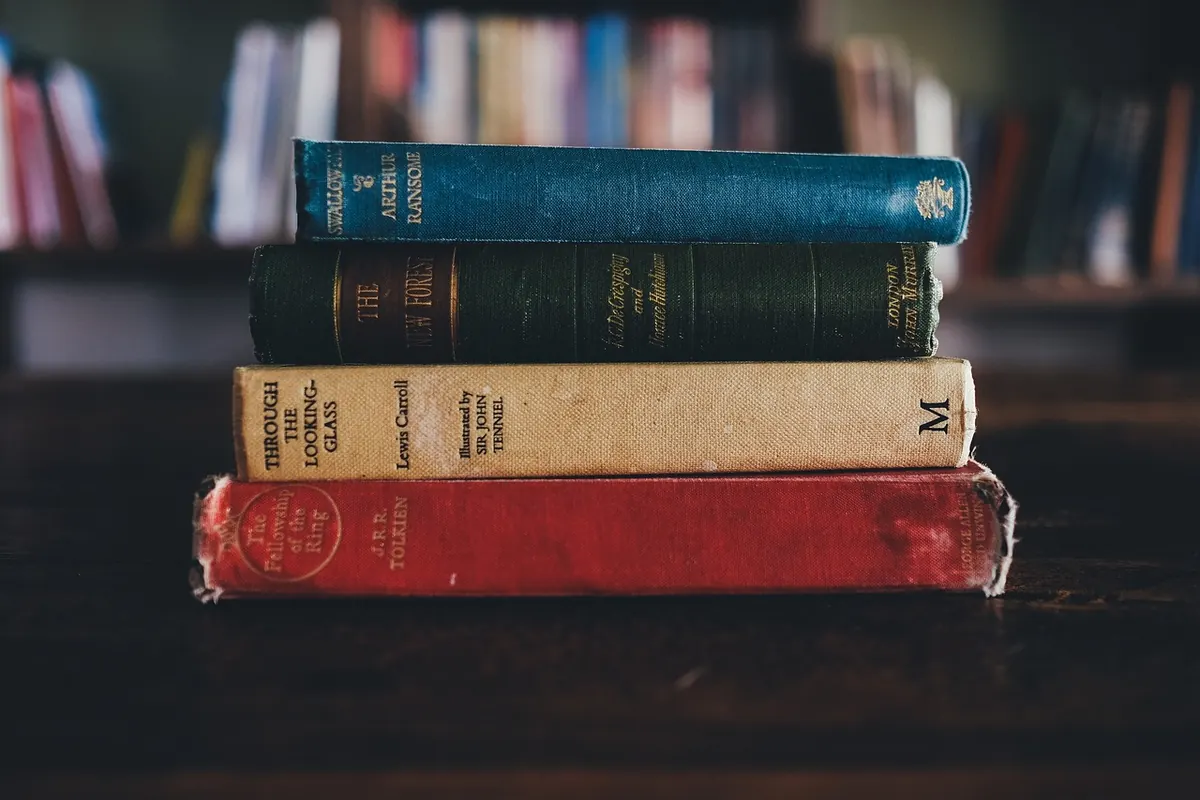
A hardback is the version of a book designed to survive. Boards protect the pages, the spine opens properly, the print tends to be larger and better spaced, and if you want a new release early, the hardback usually appears first.
That durability is also the drawback. Hardbacks are heavy, they take up real space, and holding one above your face in bed for an evening is an arm workout. Bought new, they are the most expensive option — fair for a book you will read five times, less fair for one you will read once.
Buy one when the book is a keeper: a favourite, an illustrated edition, something you want to annotate or pass on. Borrow from a library if you simply want to read it early.
Paperbacks: The Sensible All-Rounder
Paperbacks do most jobs well and none of them perfectly. They are light enough for a bag, cheap enough to buy on impulse, and easy to take to the beach or leave behind in a hotel without regret.
The trade-offs are familiar: tight bindings that will not stay open, small print, thin paper that shows the text on the reverse. None of it matters much if you read in short bursts and pass books on afterwards. Second-hand copies are cheap, and charity shops are full of good ones.
If you read widely, rarely reread, and like a book you can start on the bus and finish in the bath, this is your format.
E-books: Weightless, Searchable, Occasionally Infuriating
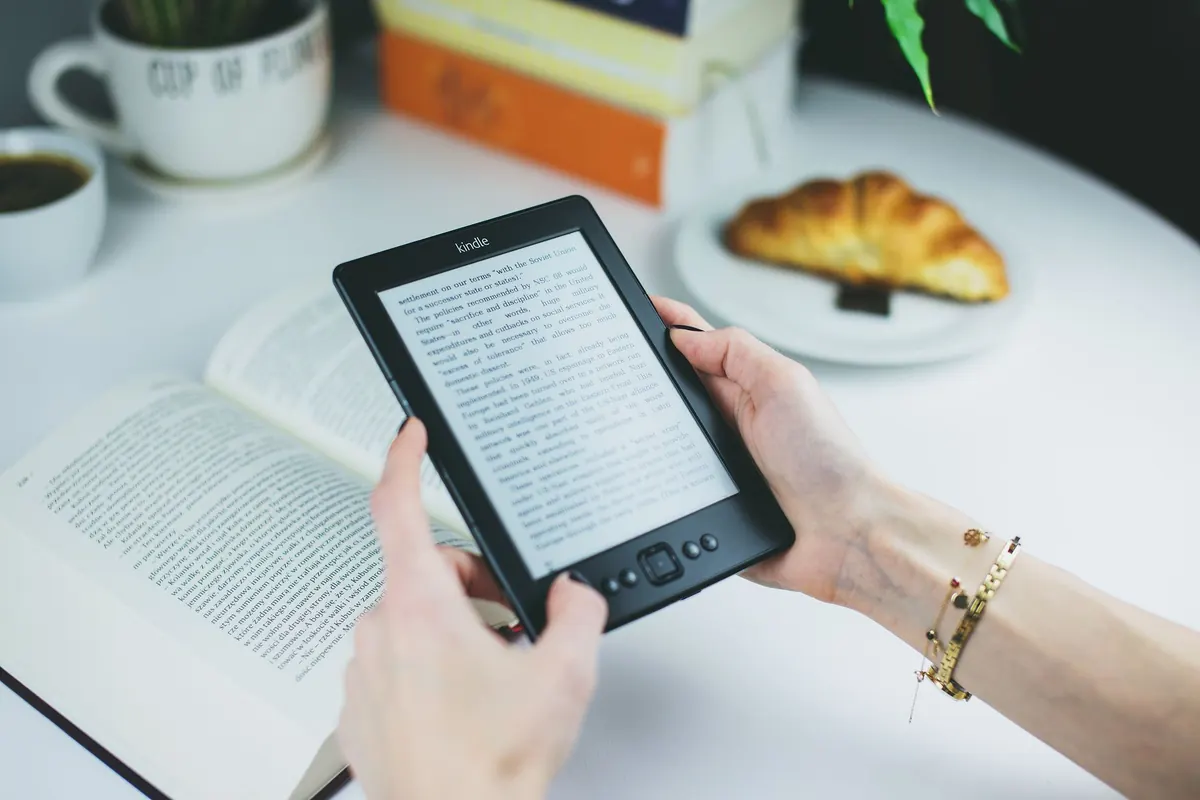
An e-reader or a phone app puts a whole library in something the size of a slim notebook. On a two-week trip that is the difference between a suitcase and hand luggage. Front-lit e-ink is easy on the eyes at night, the font size can be turned up without hunting for a large-print edition, and you can hold the device and turn pages one-handed.
What you lose is physicality: no cover to admire, no quick flick back to the map at the front, no sense of progress that matches the weight in your hand. Batteries run out, files can vanish, and a licence is not the same as a book you own.
Best for long series, searchable non-fiction and reading in the dark. Less good for poetry and illustrated books.
Cost, Comfort and Storage
New hardbacks cost most, paperbacks less, and e-books often less again — though not always, and not on every title. Over a year, where you buy matters more than which format you choose.
- Libraries lend all three, free, and bring no storage problem with them.
- Charity shops and second-hand sellers make paperbacks very cheap and hardbacks surprisingly affordable.
- E-book deals and subscriptions suit readers who finish a book a week.
- Buying the hardback first and the paperback later is the most expensive habit of all. Pick one.
Comfort
Weight, print size and lighting decide most of this. Hardbacks are best on a table, paperbacks best in a bag, e-readers best in the dark and in one hand. If reading has started to cause headaches or blurred vision, that is a question for an optician rather than a bookshop.
Storage
Paper books take up space you have to find, dust, and occasionally move house with. Keep them dry, out of direct sunlight and away from damp walls. An e-reader holds thousands of titles in the same footprint — a real advantage in a small flat, and a real loss if the sight of your own shelves is part of why you read at all.
Mixing Formats Without Wasting Money
The most practical arrangement for most readers is a deliberate mix rather than a default.
- Buy hardbacks only for books you expect to keep: favourites, reference, illustrated editions, signed copies.
- Use paperbacks for anything you will read once and pass on.
Photo: freestocks.org / Pexels
You Might Also Like
A thoughtful review of Raynor Winn's coastal memoir, with notes on its strengths and slow patches, who will enjoy it, and what to read next.
A seasonal guide to matching the right book to the right spot — whether that's a windy beach, a sunny garden or a ten-minute train journey.